
Most businesses have some form of antivirus software in place. It’s one of those tick-box tasks that feels like a sensible move – install it, let it run in the background, and trust that it’s quietly keeping threats at bay.
But in 2025, that’s just not enough.
Cybersecurity has moved on, and so have the threats. While antivirus still has its place, it only covers part of the picture – and relying on it alone can leave your business wide open to modern risks.
In this blog, we’ll look at what antivirus does well, where it falls short, and what else you need in place to keep your business protected in today’s threat landscape.
What antivirus still does well
Let’s give it credit – traditional antivirus software isn’t useless. It’s designed to scan for known threats like viruses, trojans and older forms of malware. It flags suspicious files, monitors system behaviour and can stop basic infections before they spread.
For day-to-day device protection, it still plays a useful role – especially when paired with good practices like regular updates.
But antivirus on its own was never meant to be a complete security solution. And in 2025, that’s more apparent than ever.
What’s changed?
Today’s cyber threats are more sophisticated, more targeted and more human-focused than ever before. Attackers aren’t just sending out generic viruses – they’re:
- Sending convincing phishing emails that trick users into giving up login details
- Exploiting out-of-date systems that haven’t been patched
- Using social engineering to manipulate staff
- Launching ransomware attacks that lock up entire systems, not just files
- Taking advantage of remote work and cloud tools that aren’t set up securely
The reality is, most of these methods don’t involve “viruses” in the traditional sense – and that’s why antivirus alone can’t stop them.
Where antivirus falls short
Here are a few key areas where antivirus software – even the paid versions – won’t be enough on its own:
1. Phishing and social engineering
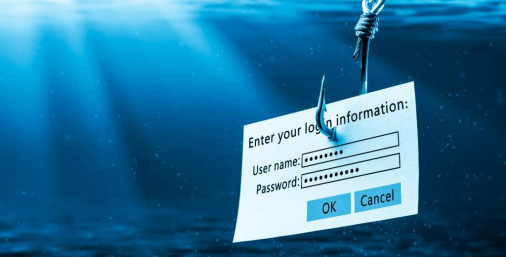
Phishing is still one of the biggest threats to UK businesses. These scams don’t rely on infected files – they rely on people clicking links, entering credentials or taking an action. Antivirus can’t stop a staff member being tricked into handing over access.
2. Zero-day and advanced threats
Modern cyber attacks often involve previously unknown vulnerabilities. These “zero-day” threats haven’t been catalogued yet, so traditional antivirus can’t detect them until it’s too late.
3. Outdated software and systems
If you’re running unsupported or unpatched software, attackers can exploit known weaknesses – antivirus won’t block that.
4. Weak or reused passwords
Many breaches start with poor password practices. Antivirus won’t stop someone logging in with stolen or guessed credentials.
5. No recovery plan
Even with antivirus, things can go wrong. If you don’t have tested backups or a disaster recovery plan in place, a breach could still result in major data loss and downtime.
The shift towards layered protection
Because of these limitations, many businesses are moving towards a layered approach to cybersecurity – using tools that work together to reduce risk.
One of the most important additions is Endpoint Detection and Response (EDR). While antivirus blocks known threats, EDR looks for anything that slips through – like hidden malware or unusual behaviour that suggests someone’s already inside the system.
A simple analogy:
- Antivirus is the security guard at the front door.
- EDR, like Huntress, is the investigator inside – spotting suspicious activity and raising the alarm.
Some EDR tools can even act automatically. Huntress, for example, can isolate a compromised device to contain a threat, then alert our team to investigate.
That’s why we’ve started rolling out Huntress EDR to our Managed IT customers, replacing ESET antivirus. It works hand-in-hand with Windows Defender – which now scores a perfect 6.0/6.0 in AV tests – to form a more dynamic and responsive security setup.
It’s not about ditching antivirus – it’s about reinforcing it with tools that can spot and respond to modern threats in real time.
What businesses actually need in 2025
Cybersecurity isn’t about one product doing all the work. It’s about building layers of protection that work together.
Here’s what that might look like in a typical SME:
- ✅ Antivirus or endpoint protection – still a key layer, but not the only one
- ✅ Email filtering and anti-phishing tools – blocks suspicious links and attachments before they reach staff
- ✅ Multi-factor authentication (MFA) – adds an extra layer to logins so credentials alone aren’t enough
- ✅ Regular patching and software updates – closes security holes before they’re exploited
- ✅ User awareness training – helps staff spot phishing emails and report suspicious activity
- ✅ Backup and disaster recovery – so you can bounce back quickly if something does go wrong
- ✅ Network monitoring – to flag unusual behaviour before it turns into a full-blown breach
You don’t need enterprise-level tools or a massive budget – just a sensible, joined-up approach that reflects how your business actually works.
Why this matters for SMEs
Smaller businesses are often targeted because they’re seen as easier to breach. Cybercriminals know many SMEs still rely on basic protections or haven’t had time to review their setup.
And while a large organisation might recover from a cyber incident, many small businesses don’t. The downtime, data loss and reputational damage can have long-lasting effects.
It’s not about scare tactics – it’s about being realistic.
Where to start
If you’re not sure how strong your current security really is, ask yourself:
- When was the last time your software was reviewed or updated?
- Are your staff trained to spot phishing attempts?
- Do you have MFA in place across all key systems?
- Is your backup tested – and could it restore everything quickly if needed?
If the answer to any of those is “I’m not sure”, it’s worth getting a second opinion.
Antivirus is still useful – it’s just not enough
Cybersecurity in 2025 is about more than blocking viruses. It’s about protecting your people, your systems and your data from a much wider range of threats – many of which antivirus will never catch.
If your business is still relying on a single layer of defence, now’s the time to think about what else you need in place.
At Provident IT, we help businesses build sensible, layered security plans that don’t rely on false confidence or outdated tools. If you want peace of mind that your setup is doing what it should, we’re here to help with all things IT Security.



 Critical Support

